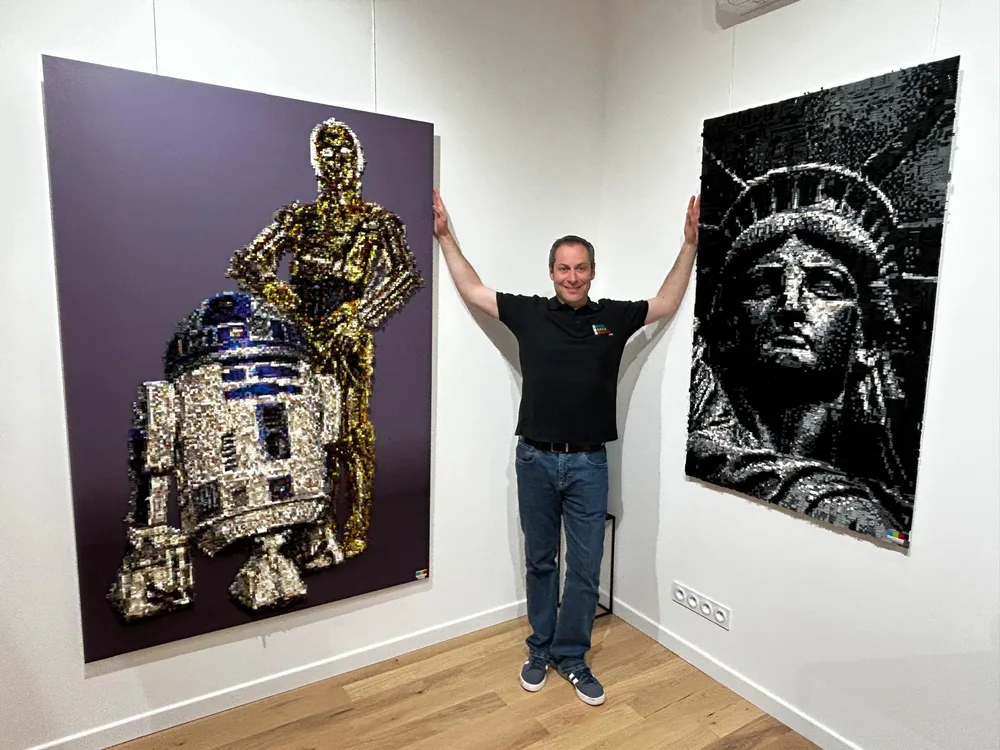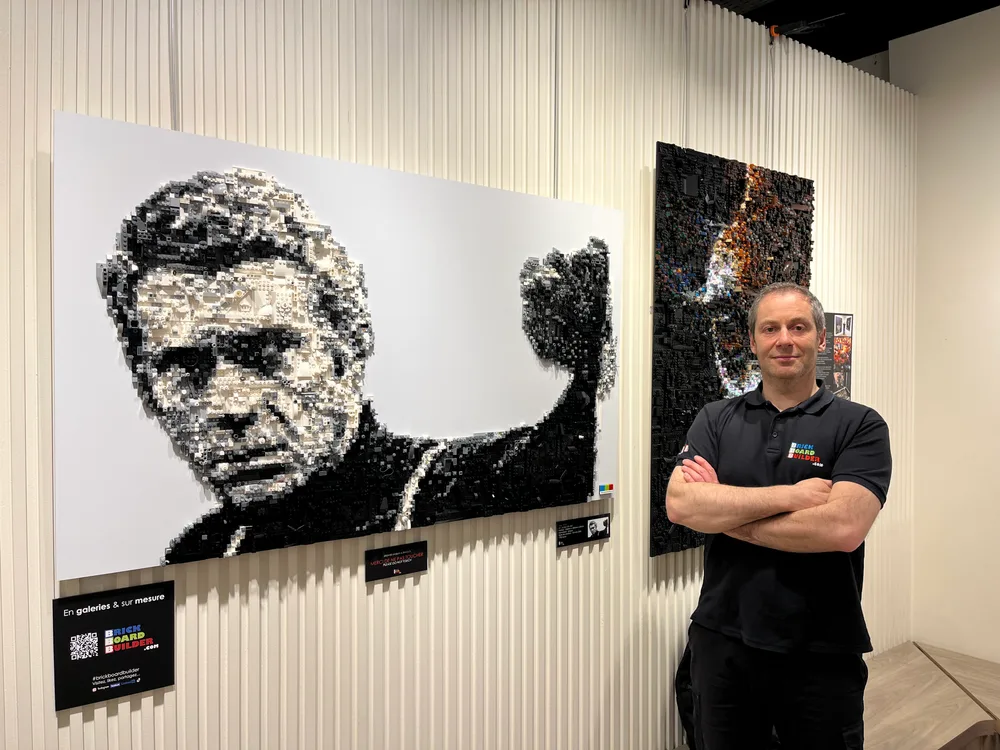

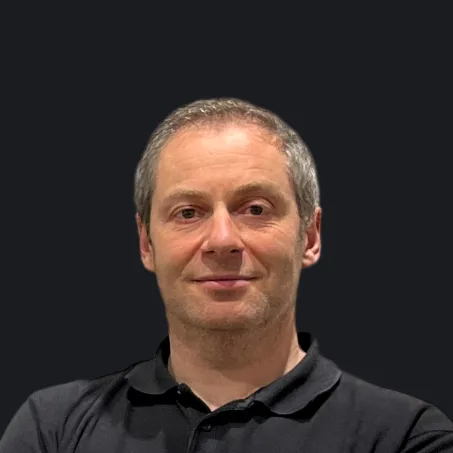
Grégory, known within the AFOL community as BBB (BrickBoardBuilder), is a French artist who transforms second-hand, recycled LEGO® pieces into high-concept pixel art portraits of iconic cinematic figures. Relying entirely on his eye, architectural background, and immense patience rather than digital software, he meticulously sorts and places thousands of discarded bricks by hand to capture the lighting and emotion of pop culture history. His unique, one-of-a-kind masterpieces breathe new life into forgotten toys, balancing structural integrity with striking visual depth.
In a quiet corner of France, not far from the hum of Paris, artist Grégory does not paint, yet he fills canvases. He does not use a brush, yet he renders the faces of cinematic history with uncanny precision, creating the most stunning visual art.
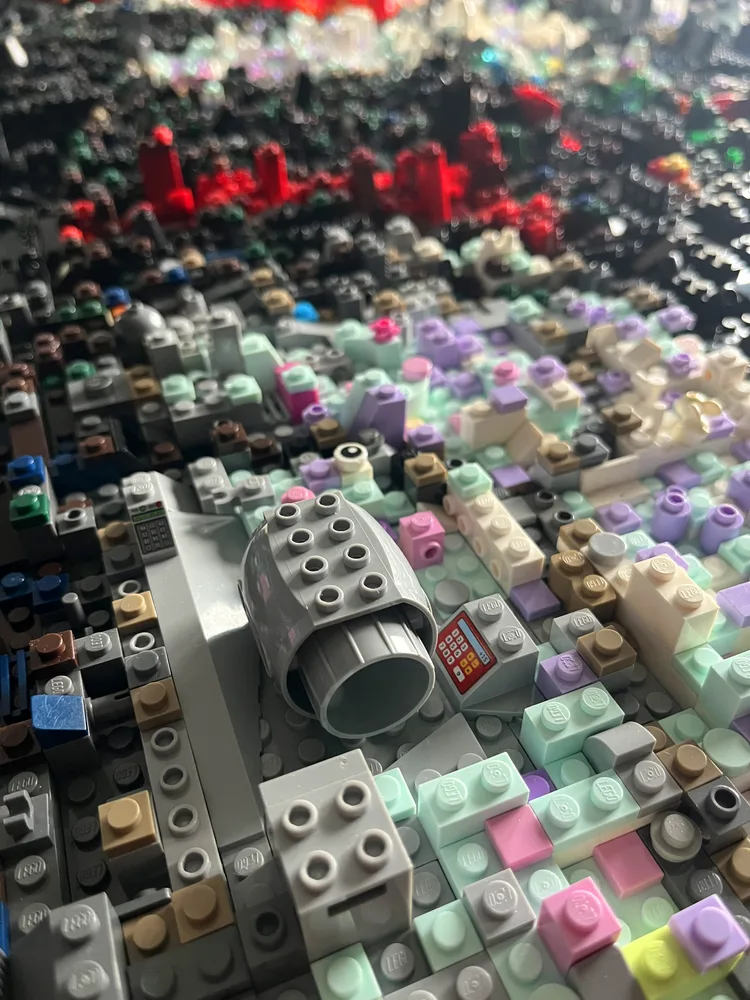
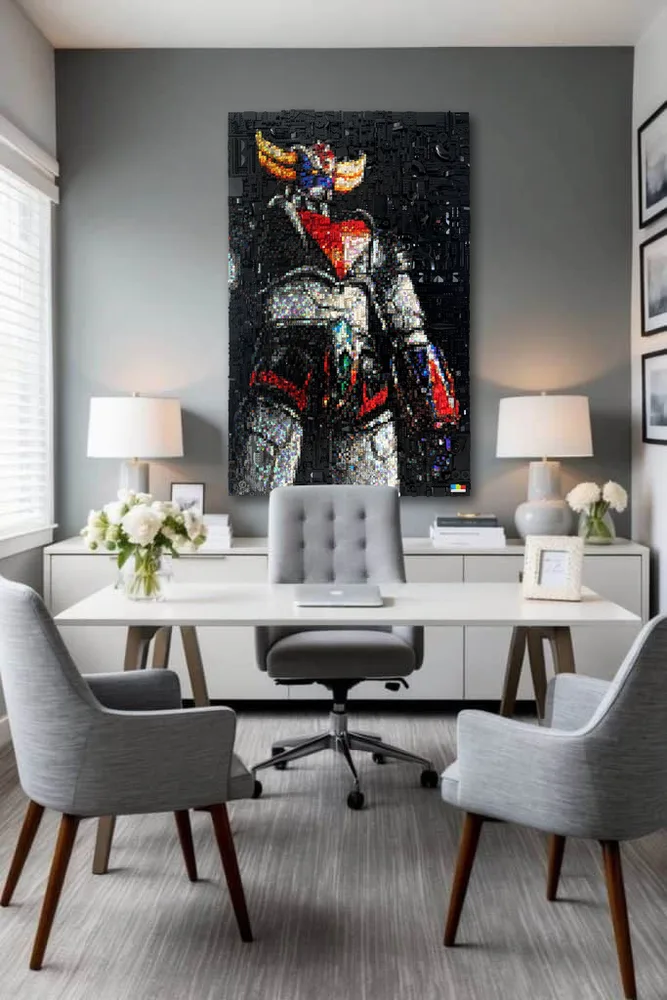
Within the AFOL community, Grégory goes by the name BBB, or BrickBoardBuilder. To look at his work is to witness a paradox: from a few paces away, you see the unmistakable, chiseled jawline of Steve McQueen or maybe the haunting, icy gaze of a cinematic villain. Step closer, and the illusion fractures into individual, recycled studs, each one a small, weathered relic from a different home, a different bedroom, or a different decade.
This artist isn’t just making art with plastic bricks; he’s curating memories. He sources forgotten, second-hand LEGO pieces and turns them into high-concept pixel art. It’s a process that requires the steady hand of an architect, the patience of an expressive painter, and the soul of someone who sees profound value in objects others have long since discarded.
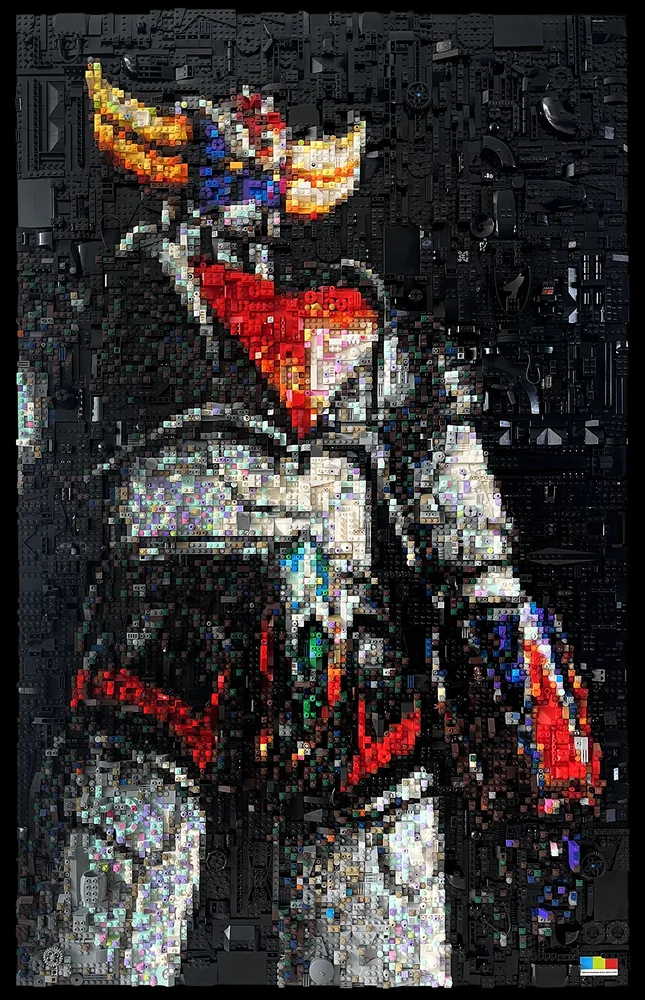
Journey From Childhood Sets to Pixel Art
Grégory’s story begins in his youth. Like so many children, he was captivated by the sheer possibility of the brick. He recalls his early days vividly, specifically the satisfaction of the LEGO space base sets that occupied so much of his time. It was a formative period where brick-building was pure, unadulterated play.
As he grew older, the relationship with these bricks changed. It became a shared language between him and his son. For years, they built sets together, making bonding sessions out of instruction manuals. But eventually, the allure of building pre-made sets petered out. Following someone else’s plan no longer held the same weight as creating on the blank canvas of his own imagination.
That’s how Grégory moved away from the official boxes and stepped into the world of MOCs. The true shift toward his current path occurred over a decade ago. “After visiting a Lego Star Wars exhibition, my son asked me if I could make him a painting to decorate his room,” the artist says.
That was the turning point! Grégory took that question as a challenge. He stepped away from the structures and towers he had been building and turned toward the flat surface. He began experimenting with how individual studs could represent light, shadow, and emotion.
There was no looking back after that. That initial request catalyzed a career that now turns pop culture icons into complex, textured portraits, all made out of LEGO bricks.
Palette of the Discarded
What makes Grégory stand out as a brick artist is his commitment to the source material. He’s fiercely protective of it and doesn’t rely on pristine, factory-fresh bricks. Instead, he gathers plastic from across France, scouring bulk lots and traditional resale channels to find the pieces that have already lived a life. “When competing bricks show up, I use them too, but they remain very few,” the artist says.
A significant portion of his materials comes through a close partnership with an organization called Rejoué that runs a socially responsible program focusing on the reuse of toys. By channeling these forgotten items into his art, the artist ensures they don’t end up in a landfill, or worse, the ocean, and that they find a purpose far more enduring.
In this sense, every brick he picks up has a history; it might have once been part of a castle, a car, or a spaceship in someone else’s toy collection. Grégory sees these pieces exactly as a painter views their tubes of oil or acrylic: as the raw components of a larger vision.
However, the path from a bucket of mismatched plastic bricks to a finished piece of art is anything but glamorous. When a new shipment of bulk bricks arrives, the work begins with a grueling, labor-intensive, yet much-needed process.
Every piece must be cleaned, then sorted by hand, color by color. It’s a ritual, because to compose a portrait of a figure like Jack Nicholson or a legendary character like Indiana Jones, Grégory needs a massive, organized palette.
The artist needs to know exactly where every shade of gray, every fleck of red, and every tone of blue resides, so when the creative process begins, he is never searching for the right shade. That’s why he treats every brick with a reverence unusual for toys.
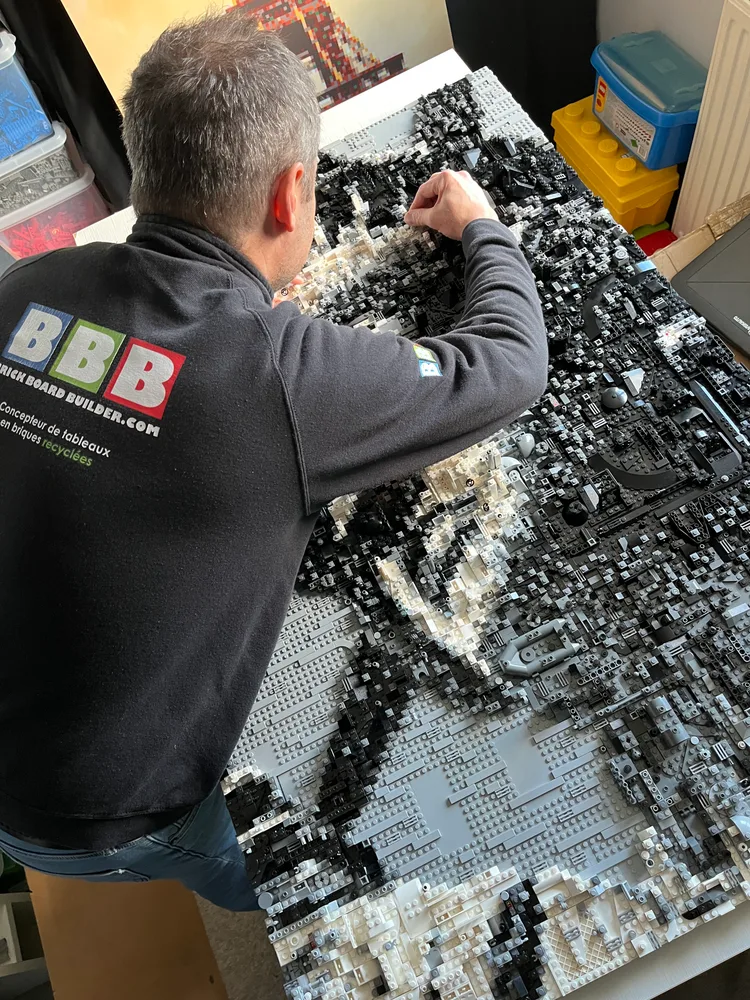
When Grégory places a brick, he isn’t making a toy out of a toy; he’s creating a masterpiece. Despite much of our visual culture being printed or generated in seconds, there’s absolutely no leaning on digital diagrams. Every stud is placed by hand, guided by his eye and his sense of form.
This manual process is what urges him to be present with every single pixel. It’s an art of patience and plastic bricks, yes. But fundamentally, it’s an art of time. Grégory creates with the understanding that the things that make us look twice are the ones that take the longest to assemble.

Geometry of Cinema
Grégory’s work spans diverse subjects, including pop culture, animals, architecture, and cinema. Of these, he is most deeply engaged with the history of cinema.
“I want to pay tribute to cinema figures who have shaped the history and culture of film,” he says. The titans of the screen — Harrison Ford, Jack Nicholson, Steve McQueen — are his primary muses, with others legendary names like Clint Eastwood and Robert De Niro waiting in the wings for their turn in the frame.
He also finds inspiration in iconic moments — like the chilling intensity of the Here’s Johnny! scene in The Shining, or the carbonite-frozen stillness of Han Solo from Star Wars: The Empire Strikes Back. He aims to capture the emotion of the character, the specific lighting of the scene, and the gravity of the actor’s expression.
This is where his background in interior architecture and design becomes a vital tool. Grégory approaches these portraits with an architect’s understanding of structural integrity. He understands that when you’re working on a piece that consists of thousands of components, the slightest error in the foundation can lead to a catastrophe before the work is even halfway finished.
His pixel art in plastic bricks further involves a high degree of tension. The weight of the materials, combined with the need to keep the construction perfectly straight over large surface areas, is a constant struggle. A small shift of even a millimeter on one side of the frame can distort the entire composition by the time he reaches the opposite edge.
The precise mechanics behind how Grégory achieves this level of alignment remain a mystery. When asked about his techniques, he offers a knowing smile, preferring to keep the technical details to himself.
Here’s an artist who has spent years experimenting with different methods, constantly testing how to balance internal strength with the desired visual finish. He’s found his own way to make the construction durable while maintaining the artistic intent. So when he wants to keep the process a secret, it’s only understandable.
When asked about the most difficult part of creating pixel art, he points to the balance of scale and accuracy. In this medium, you cannot hide mistakes. Every single piece is visible; if the alignment drifts, the character’s face loses its recognizability, and the magic disappears.
That’s why Grégory treats every build as a test of endurance. He isn’t interested in rushing. Some of his larger works, such as his tributes to Gotham and Batman, required up to 200 hours of labor and upwards of 17,000 pieces.
It’s a methodical grind that warrants intense focus at a level only a few artists would be willing to sustain. He knows that his work is a slow-revealing surprise for the viewer. From far away, you see the face. Up close, you see the thousands of individual decisions that make up that face.
A Mind With Patience and No Blocks
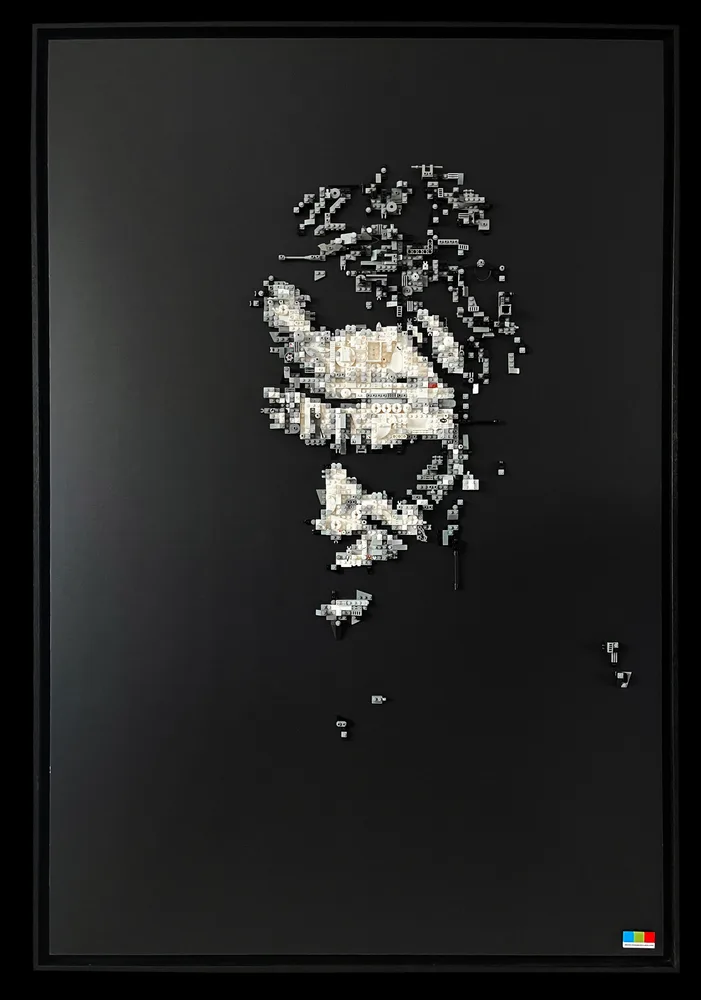
Grégory’s process is a stark contrast to the modern reliance on digital tools for speed and automation. He doesn’t use software or digital printing to figure out where the bricks go, and he certainly doesn’t use AI to generate his designs. He’s a hands-on creator!
What is perhaps most striking about this MOC artist is his relationship with the creative process. Many artists speak about the struggle to find inspiration or the difficulty of staring at a blank page. Grégory doesn’t relate to that.
“I’ve never had a creative block,” he reveals. If anything, he feels overwhelmed by the sheer number of projects he wants to bring to life. His head is constantly filled with ideas for the next icon to be rendered in LEGO bricks. He’s got no set ritual for his work — no specific playlist, no special time of day to get into the zone, no lucky charms. When inspiration hits, he just builds.
His process is its own form of meditation. Grégory finds that his work, when seen from a distance, offers the viewer an immediate, familiar satisfaction. Then, as the viewer approaches, they are greeted by the complexity of the texture. It’s a way of making the observer slow down and notice the finer details that make up the whole.
His advice to others who might want to follow in his footsteps is simple: just go for it; we only have one life. Grégory acknowledges that starting a large project can be intimidating. Fear of failure — of wasting hours on something that might not work, is a common barrier. But he also believes that life is too short to be paralyzed by the fear of starting.
Of course, this advice comes with a mild headsup. Grégory has spent years failing and testing before he arrived at his current level of proficiency. The path to his unique style was paved with thousands of discarded ideas and futile attempts. “To manage to make the same kind of production, it will take a lot, a lot of patience,” he warns. It’s a sobering reminder that no shortcuts exist for those seeking to master a craft.
The Value of the Unique
Every piece of art that leaves Grégory’s studio is numbered and comes with a certificate of authenticity. These are not mass-produced wall hangings, but one-of-a-kind singular items. The artist refuses to produce and sell printed reproductions, even in limited editions. He finds it rather disrespectful because the volume is lost and the format of the bricks isn’t accurate.
Grégory’s work says that art is not about the medium you use, but the intention you bring to it. He has managed to take a toy and transform it into a sophisticated tool for commentary on visual culture. He forces us to look at the familiar — a movie poster, a car, an architectural marvel, a face — and see it anew.
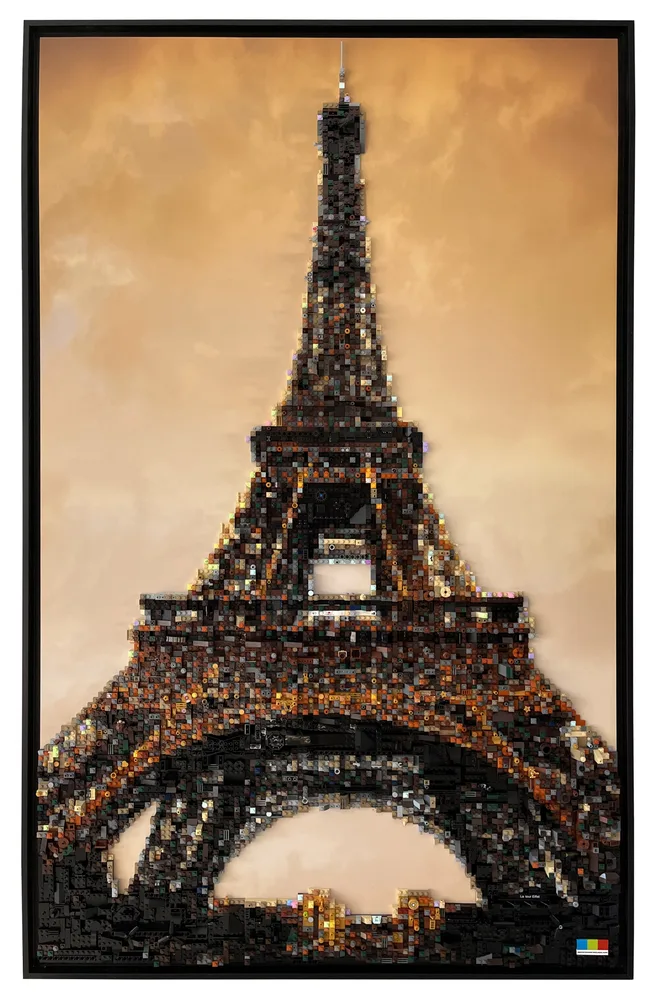
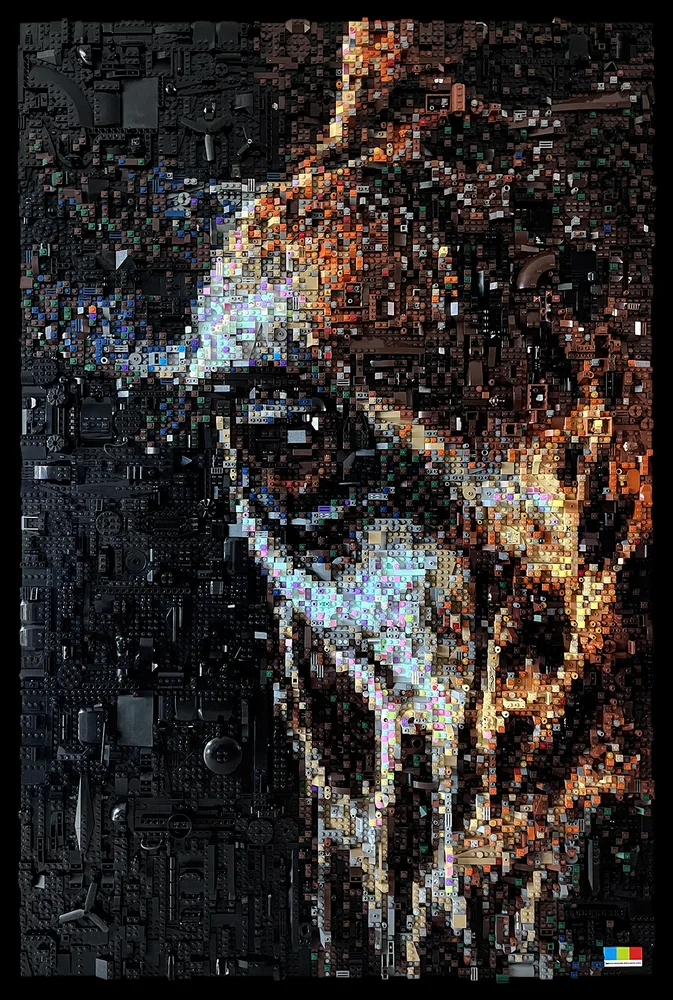
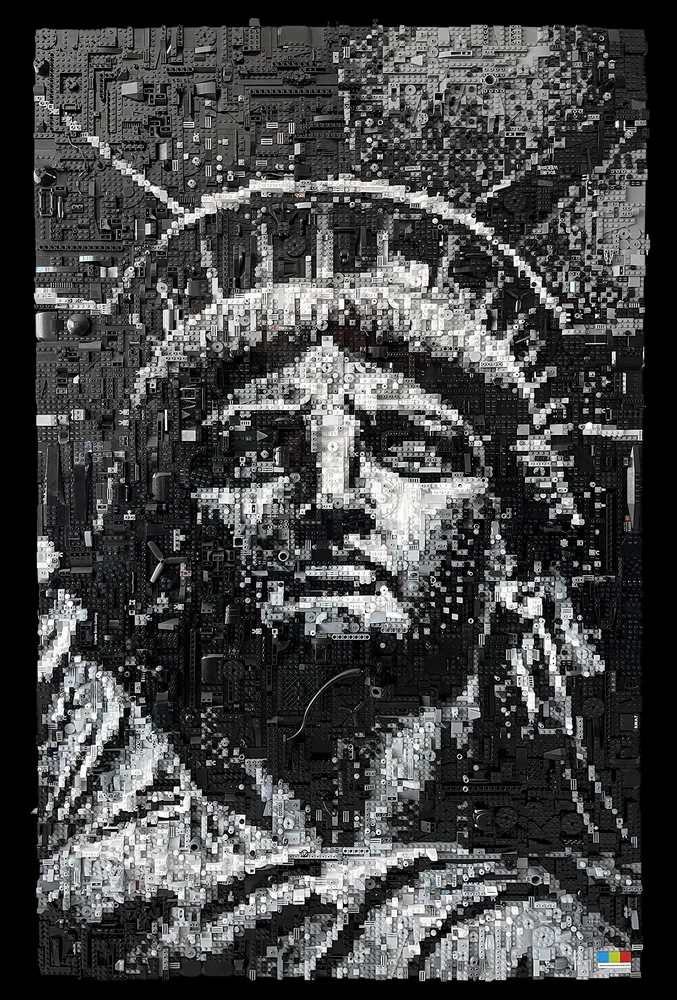
He’s an artist who understands that greatness is found in the accumulation of small, deliberate actions. By reusing materials, Grégory creates a narrative thread that connects the final art piece back to the thousands of people who owned the bricks before him. This upcycling gives the bricks a second life, one that is far more permanent.
Grégory’s work is a celebration of what can be done with things that have been forgotten. He finds beauty in the fact that these bricks, which were once destined for the trash, can now command the attention of a room.
So, when you look at his art, you see a unique composition of color and shadow. You see the result of hours of sorting, cleaning, and placing. Most importantly, you see every brick in its full glory.